
Stay Alert: Protect Yourself from Scams This Holiday Season
The holiday season is one of the busiest times of the year. Unfortunately, it is also a prime season for scammers. With increased shopping, travel and online activity, fraudsters often use scams to trick people into revealing sensitive account information.
Common Red Flags
- Unexpected calls, texts or emails asking for account verification or payment
- Messages with urgent language like “Your account will be locked” or “Act now”
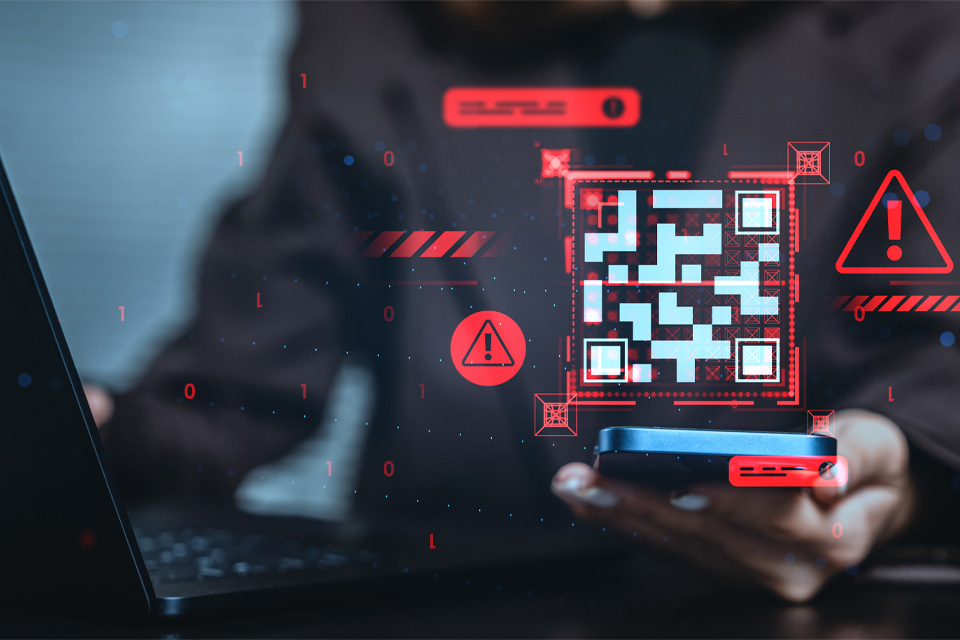
- Links that look suspicious or slightly misspelled versions of legitimate websites
- Caller ID tricks showing familiar numbers that are not truly from your credit union or service provider.
How to Protect Yourself
- Verify before you trust. If you receive a suspicious call that you were not expecting, hang up and contact the company directly using official channels
- Never share sensitive information (PINs, passwords, one-time passcodes, account numbers) over email, text or phone unless you initiated the contact
- Verify a secure website carefully before entering login or payment details
- Enable account alerts on your account to monitor unusual activity quickly
- Report suspicious activity to your financial institution immediately
Final Reminder
Scammers count on the holiday rush to catch people off guard. Taking a few extra moments to verify communications can save you from financial loss and protect your personal information. Stay vigilant and enjoy a safe and secure holiday season!
Protect yourself from a mortgage closing wiring scam
There has been an increase in fraud targeting mortgage closing companies and consumers near the closing date of their dream property.
Create strong passwords
Making your password more complex will keep you safer online (though much more can still be done).
Making your password more complex will keep you safer online (though much more can still be done).
Quick tips for online security
10 things you can do to ensure the online safety and security of your account.
10 things you can do to ensure the online safety and security of your account.
Safety tips for members
Socially engineered schemes often rely on methods that financial institutions would never employ.
Socially engineered schemes often rely on methods that financial institutions would never employ.
Use anti-virus software, and keep it updated
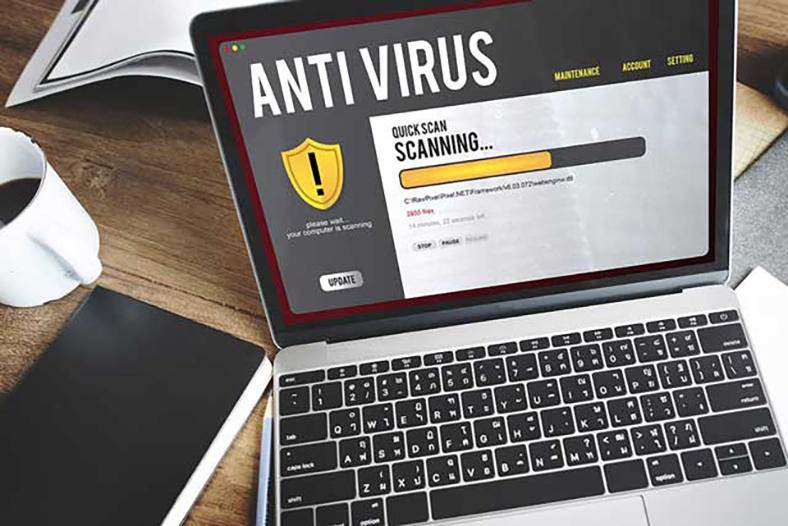
Using anti-virus software and keeping it up-to-date is the best protection against these threats.
Using anti-virus software and keeping it up-to-date is the best protection against these threats.
Use a personal firewall, and keep it updated
Installing a personal firewall is essential to safeguard your computer and valuable personal information.
Installing a personal firewall is essential to safeguard your computer and valuable personal information.

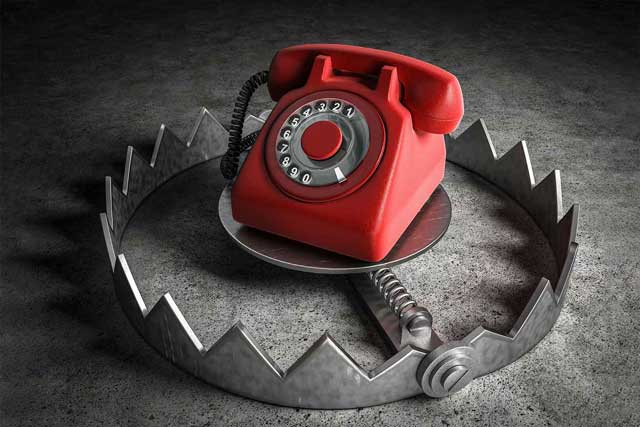
Phone scams
As consumers become more educated about fraud and identity theft, online criminals are moving to other places to launch their scams.
As consumers become more educated about fraud and identity theft, online criminals are moving to other places to launch their scams.
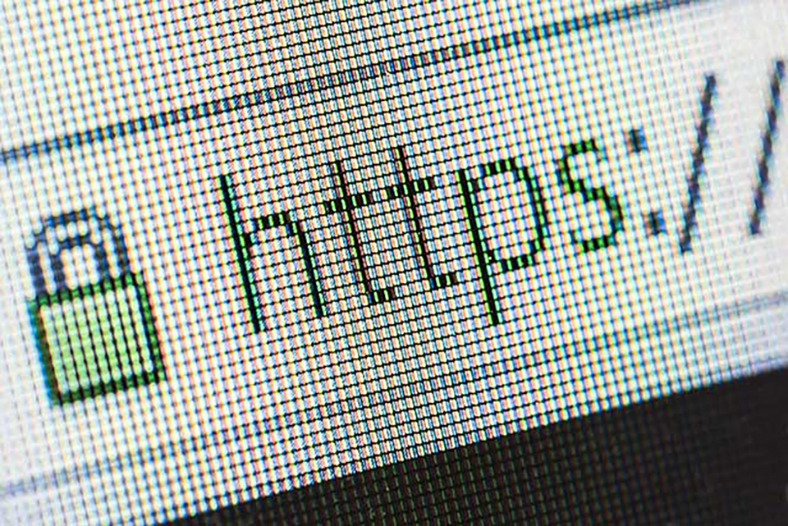
Check the security lock
To verify a website is genuine, double click the lock to display the website's security certificate. If the name on the certificate and the name of the website in the address bar do not match, the website may be phony.
To verify a website is genuine, double click the lock to display the website's security certificate. If the name on the certificate and the name of the website in the address bar do not match, the website may be phony.
Guard your privacy
Guard your privacy and limit the amount of personal information you share online.
Guard your privacy and limit the amount of personal information you share online.

Check your online statements frequently
In order to help ensure that you and your information stay safe, check your online account statements frequently.
In order to help ensure that you and your information stay safe, check your online account statements frequently.
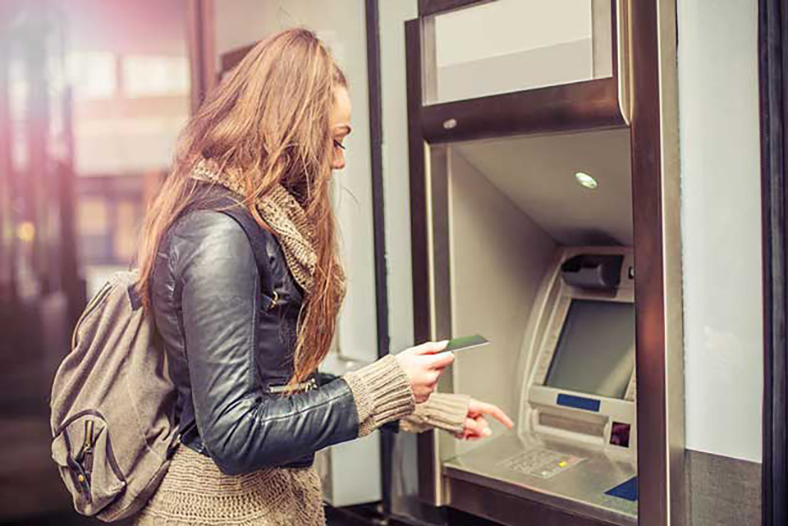
Debit & ATM card security
So that we may notify you as quickly as possible, it is important that Eglin FCU has your cell phone number and accurate email address.
So that we may notify you as quickly as possible, it is important that Eglin FCU has your cell phone number and accurate email address.
Make your smartphone safe
Smartphones give us a lot of freedom and make our lives more efficient, but they also present their own set of challenges when it comes to data security.
Smartphones give us a lot of freedom and make our lives more efficient, but they also present their own set of challenges when it comes to data security.
Eglin FCU's commitment to security
We are committed to taking reasonable steps to protect the security of our member's financial information in all areas of our operations.
We are committed to taking reasonable steps to protect the security of our member's financial information in all areas of our operations.