
Protect yourself from a mortgage closing wiring scam
There has been an increase in fraud targeting mortgage closing companies and consumers near the closing date of their dream property.
Do not to let emotions and the stress surrounding typical closing dates cause you to let your guard down. It is important for consumers to understand how the email phishing scam works.
How the scam works
Real estate companies, title companies and consumer email accounts can be hacked or phished by unauthorized third parties. These unauthorized third parties send fraudulent emails to clients during the late stages of the mortgage closing process. These fraudulent emails can look as though they were truly sent by an employee of the genuine real estate or title companies and include instructions to wire funds to a fraudulent account not controlled by the genuine real estate or title companies. Once wired, the fraudsters will quickly deplete the funds wired to the fraudulent account before anyone realizes they have been scammed.
How consumers can protect themselves
Early in the home closing process, consumers can find out exactly what to expect from wire transferring instructions by speaking directly to the title company, real estate agent and lender. Before wiring funds for closing, consumers should verify bank and account information by speaking to title company representatives in person or by telephone, using a phone number of record instead of any phone number shown in an email. IT IS VERY IMPORTANT THAT YOU CALL YOUR TITLE AGENT USING A KNOWN NUMBER (NOT THE ONE IN AN EMAIL) TO CONFIRM WIRING INSTRUCTIONS FOR YOUR CLOSING!
Once the wire is sent the transaction is final, and it can be impossible to recover the funds. Often times there is no recourse if your Credit Union or bank followed the wire instructions that you provided and authorized. If you are a victim of wire fraud, contact law enforcement immediately and provide as much information as possible. In addition, it is highly recommended that you immediately file a complaint with the Federal Bureau of Investigation Internet Crime Complaint Center (IC3) at https://www.ic3.gov/Home/BEC.
For more information:



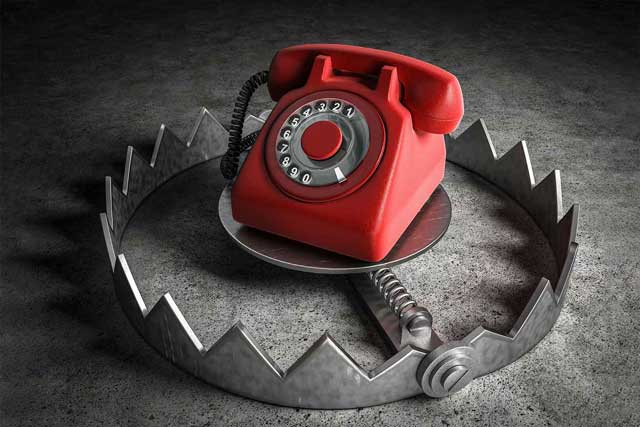
There has been an increase in fraud targeting mortgage closing companies and consumers near the closing date of their dream property.
Making your password more complex will keep you safer online (though much more can still be done).

10 things you can do to ensure the online safety and security of your account.

Socially engineered schemes often rely on methods that financial institutions would never employ.
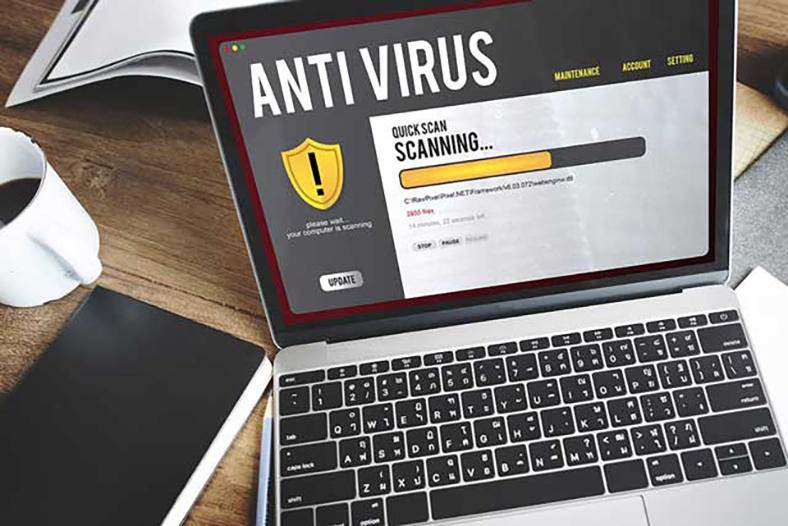
Using anti-virus software and keeping it up-to-date is the best protection against these threats.

Installing a personal firewall is essential to safeguard your computer and valuable personal information.

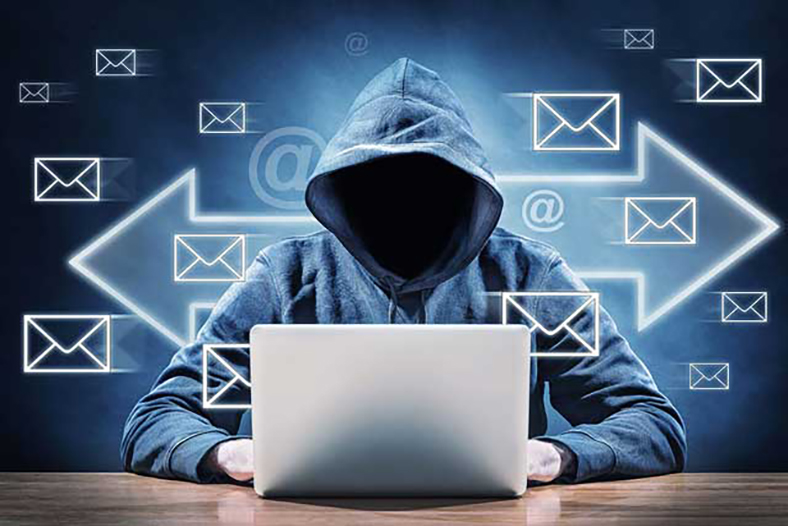
As consumers become more educated about fraud and identity theft, online criminals are moving to other places to launch their scams.
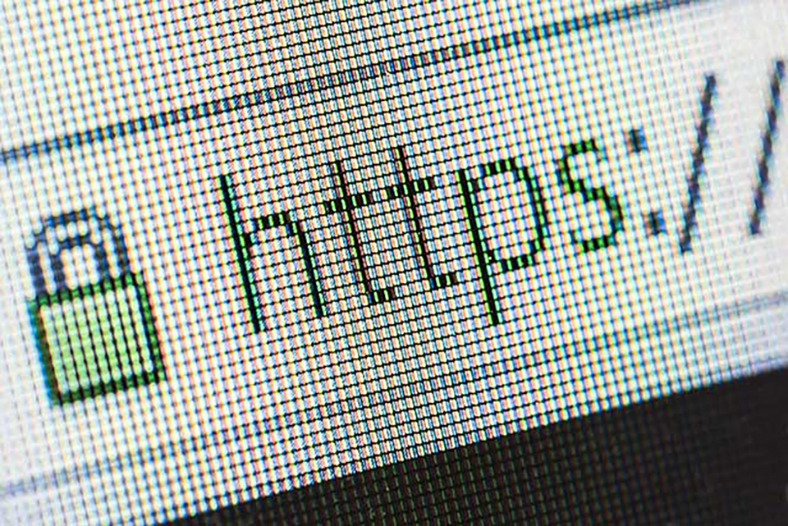
To verify a website is genuine, double click the lock to display the website's security certificate. If the name on the certificate and the name of the website in the address bar do not match, the website may be phony.

Guard your privacy and limit the amount of personal information you share online.

In order to help ensure that you and your information stay safe, check your online account statements frequently.

So that we may notify you as quickly as possible, it is important that Eglin FCU has your cell phone number and accurate email address.
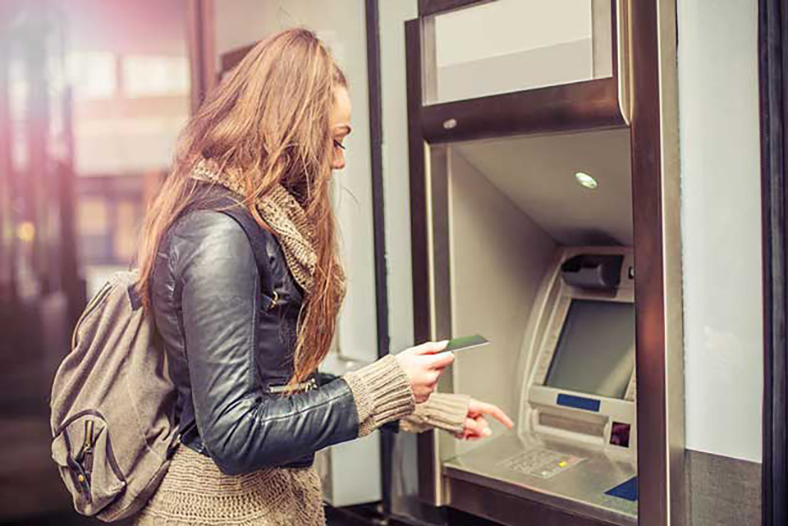

Smartphones give us a lot of freedom and make our lives more efficient, but they also present their own set of challenges when it comes to data security.
We are committed to taking reasonable steps to protect the security of our member's financial information in all areas of our operations.