
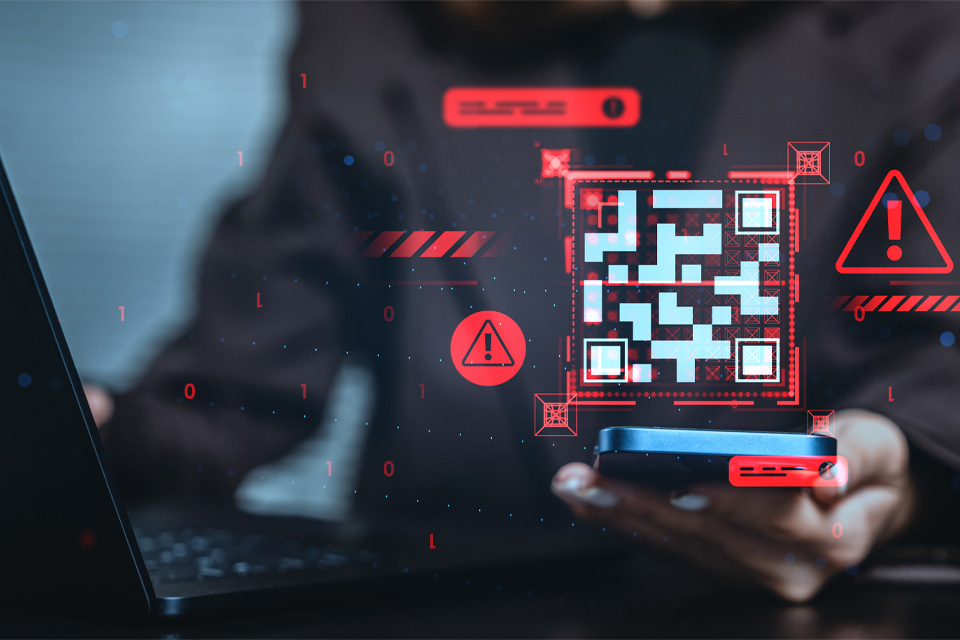
QR Code Scams: Beware of Mystery Packages
Imagine coming home to find an unexpected package on your doorstep. It has your name on it, so you open it. Inside is a small gift and a note. There's no sender listed, but the note invites you to scan a QR code to "find out who sent it" or to "get return instructions."
Tempting, right? Maybe you even start wondering if you have a secret admirer. Unfortunately, that curiosity is exactly what scammers are counting on.
These mystery gifts are often a tactic to involve you in a QR code scam. Scanning the code could take you to a fake website designed to steal your personal or financial information. Even worse, it could trigger a malware download that gives scammers access to your device. Definitely not the surprise you were expecting!
So what should you do? The safest option is simple: don't scan the QR code. Instead, report the incident to the Federal Trade Commission at ReportFraud.ftc.gov or to the FBI's Internet Crime Complaint Center at ic3.gov.
And the gift? Good news, you're legally allowed to keep it or toss it. Just stay vigilant and avoid letting curiosity lead you into a scam.
Sources:
Scam alert: QR code on an unexpected package | Consumer Advice
Internet Crime Complaint Center (IC3) | Unsolicited Packages Containing QR Codes Used to Initiate Fraud Schemes


There has been an increase in fraud targeting mortgage closing companies and consumers near the closing date of their dream property.
Making your password more complex will keep you safer online (though much more can still be done).

10 things you can do to ensure the online safety and security of your account.
Socially engineered schemes often rely on methods that financial institutions would never employ.
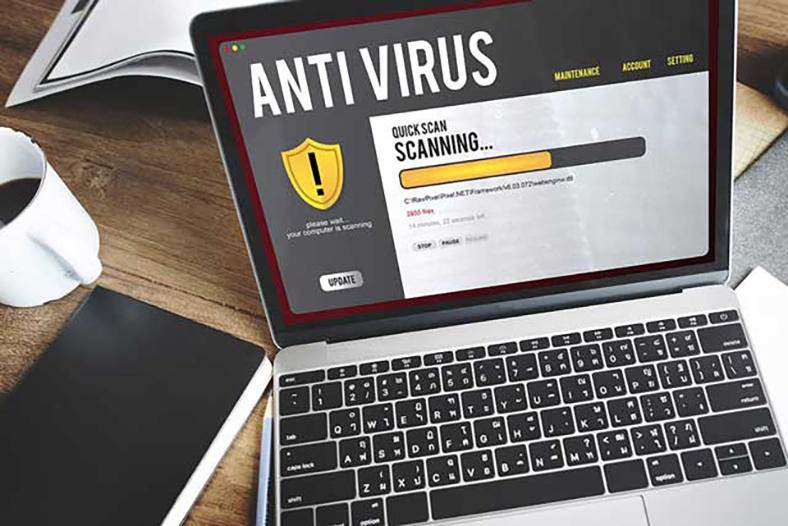
Using anti-virus software and keeping it up-to-date is the best protection against these threats.
Installing a personal firewall is essential to safeguard your computer and valuable personal information.

As consumers become more educated about fraud and identity theft, online criminals are moving to other places to launch their scams.
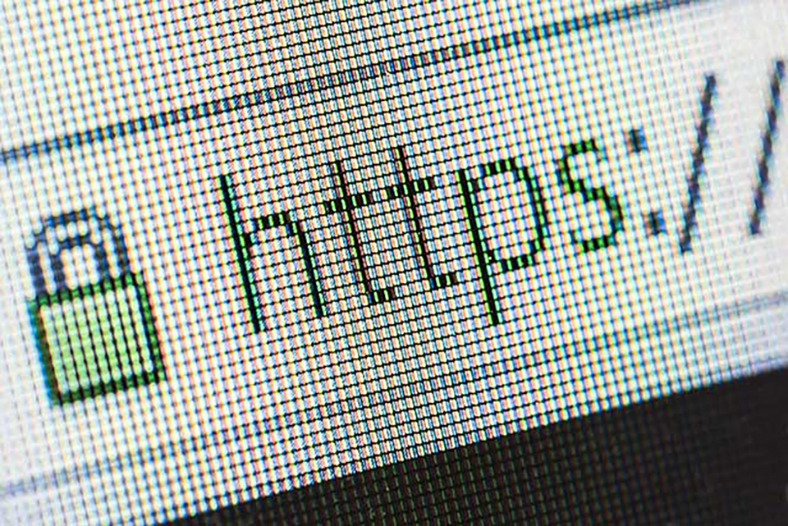
To verify a website is genuine, double click the lock to display the website's security certificate. If the name on the certificate and the name of the website in the address bar do not match, the website may be phony.

Guard your privacy and limit the amount of personal information you share online.

In order to help ensure that you and your information stay safe, check your online account statements frequently.
So that we may notify you as quickly as possible, it is important that Eglin FCU has your cell phone number and accurate email address.
Smartphones give us a lot of freedom and make our lives more efficient, but they also present their own set of challenges when it comes to data security.

We are committed to taking reasonable steps to protect the security of our member's financial information in all areas of our operations.